Data units · 3 min read
Bytes to Bits: the method, worked through
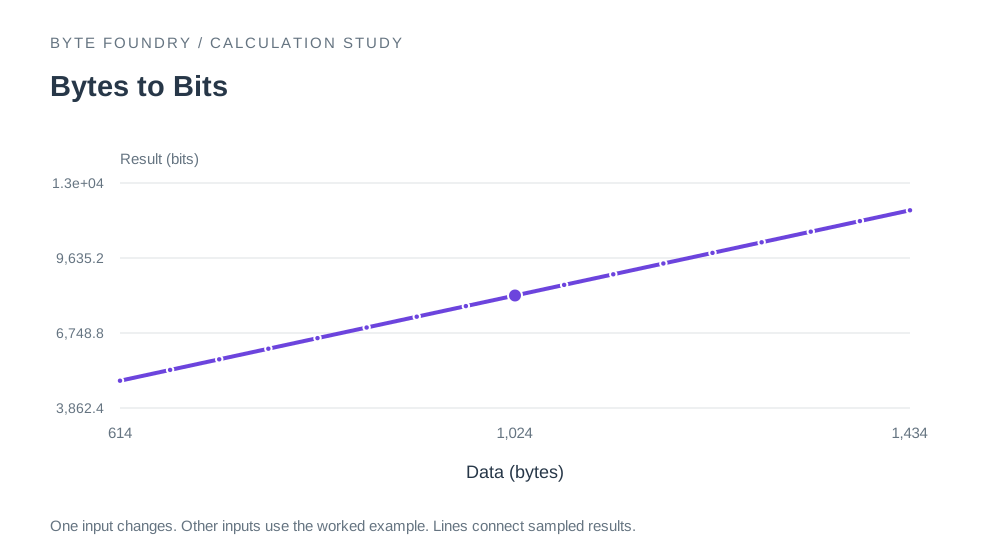
A byte conventionally contains eight bits in modern computing.
Work through the formula, compare a few scenarios and know where the model stops.
A byte conventionally contains eight bits in modern computing.
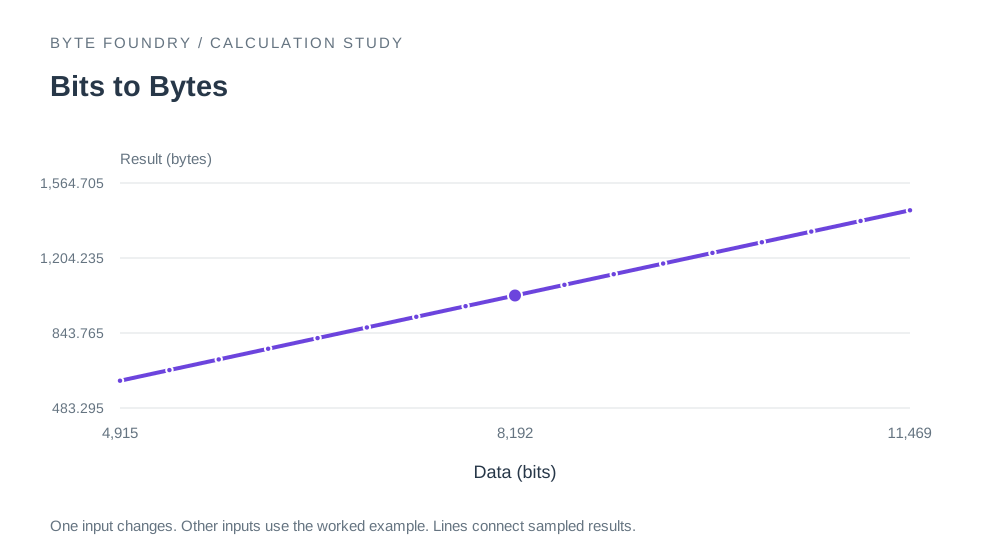
Dividing a bit count by eight produces a byte-equivalent quantity.
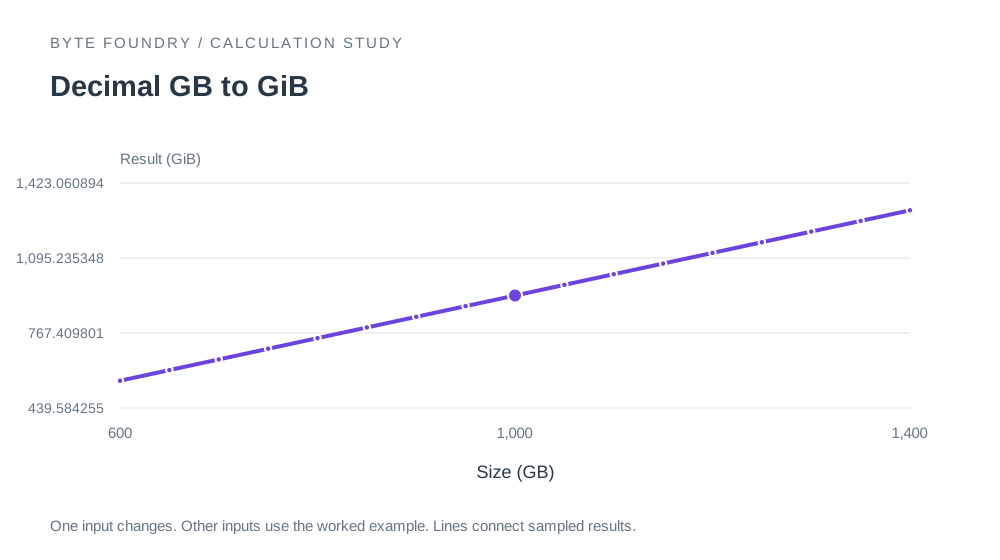
Decimal gigabytes and binary gibibytes use different unit sizes.
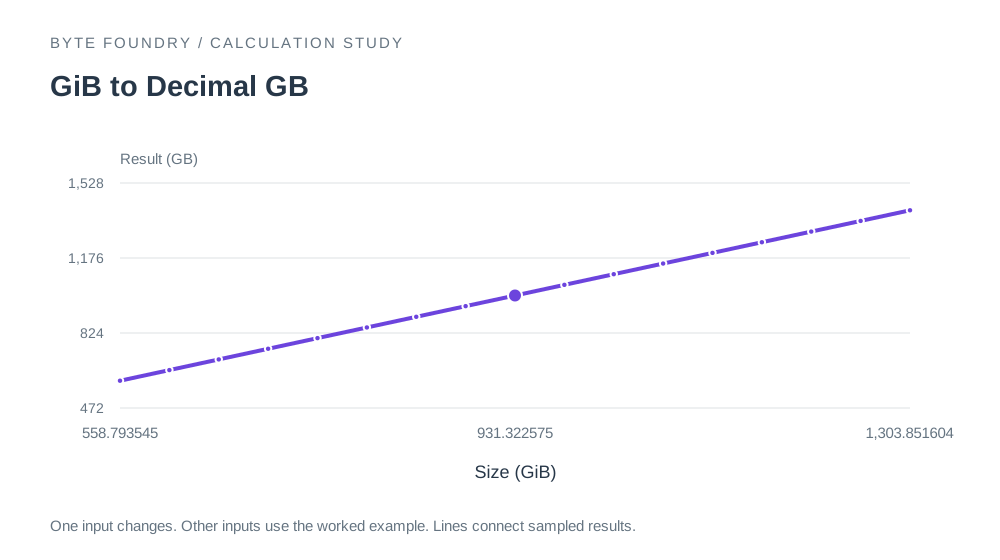
A binary capacity can be expressed in decimal units without changing the underlying byte count.
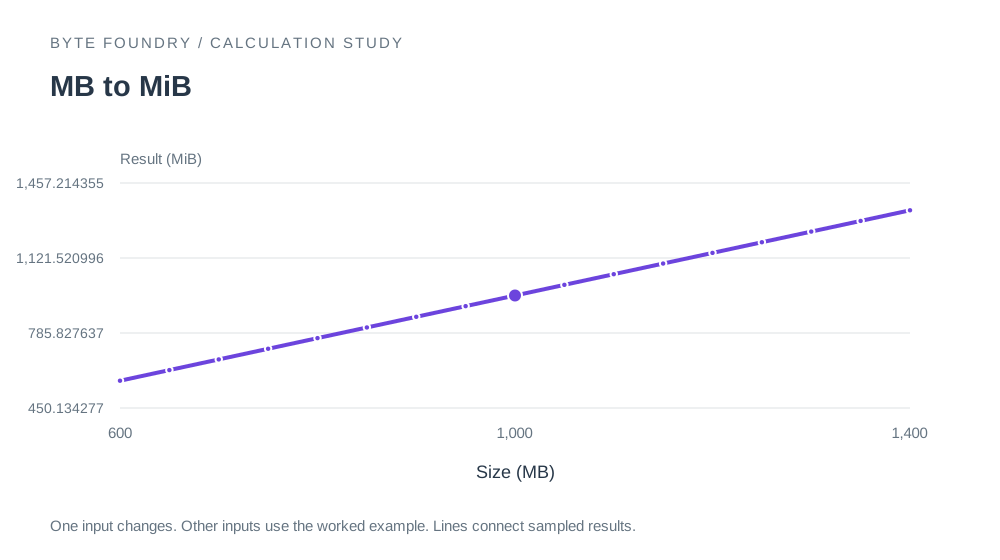
Decimal and binary megabyte-scale units differ by their base.
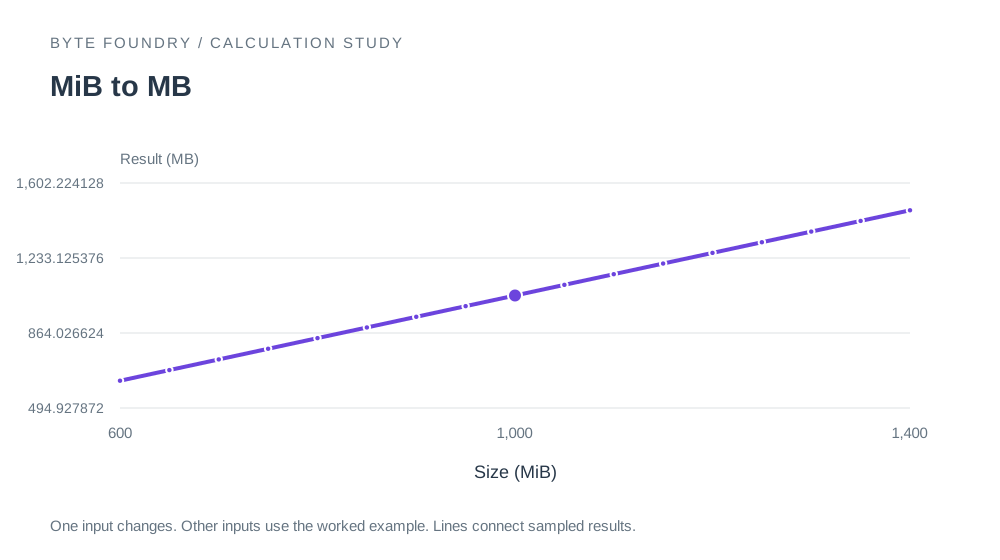
A mebibyte contains exactly one million forty-eight thousand five hundred seventy-six bytes.
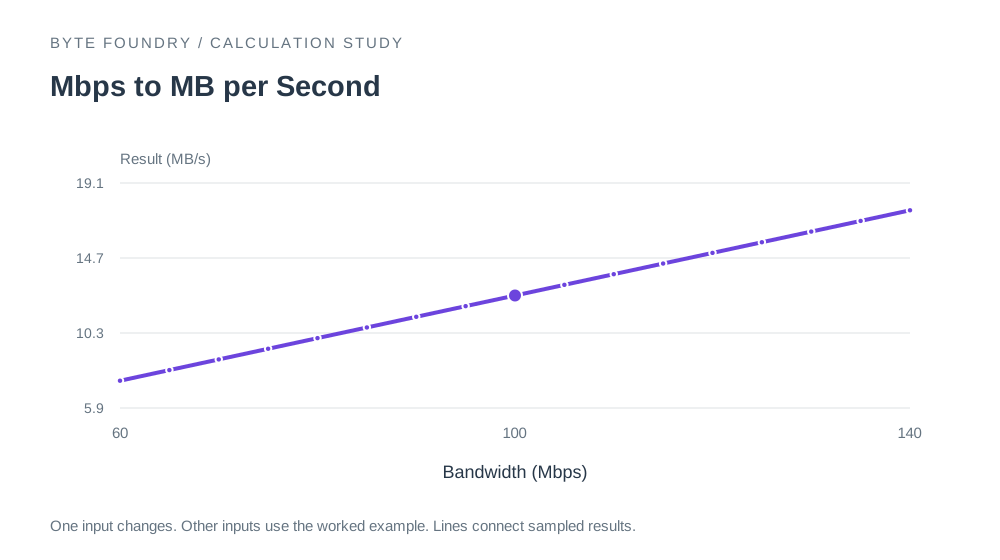
A network rate in bits converts to a byte throughput ceiling by dividing by eight.
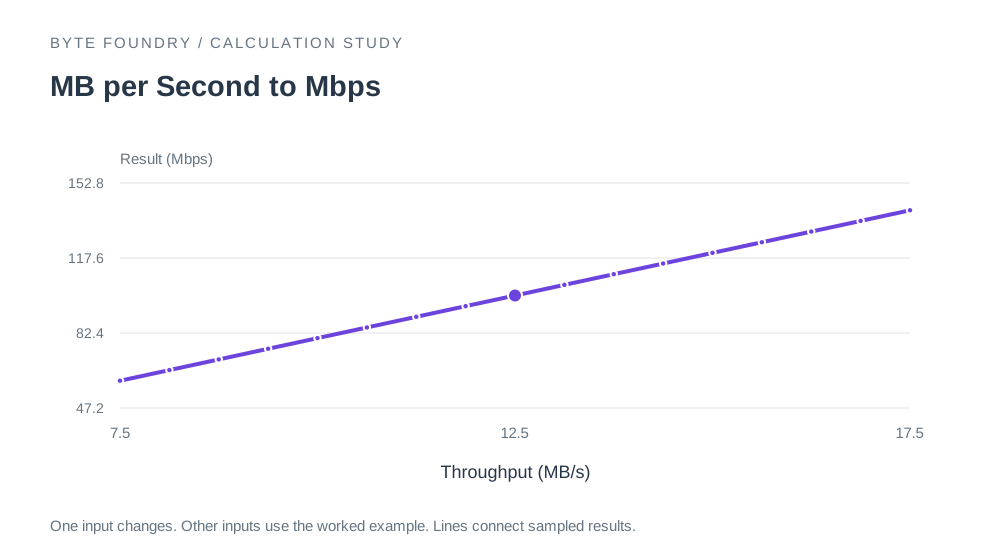
Multiplying byte throughput by eight gives the corresponding bit rate.
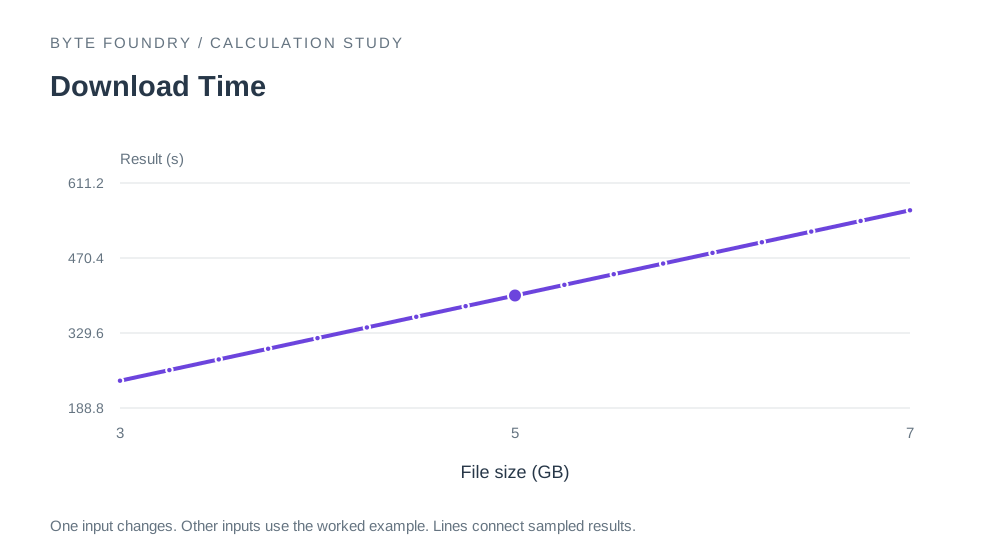
A fixed effective bit rate converts a file size into an ideal transfer time.
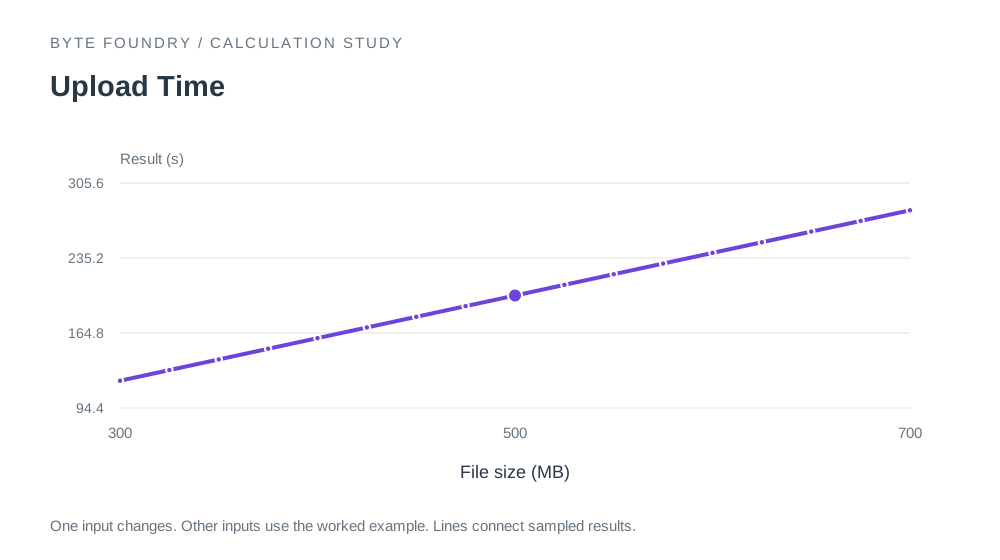
Upload duration depends on the upstream rate, which may differ from download speed.
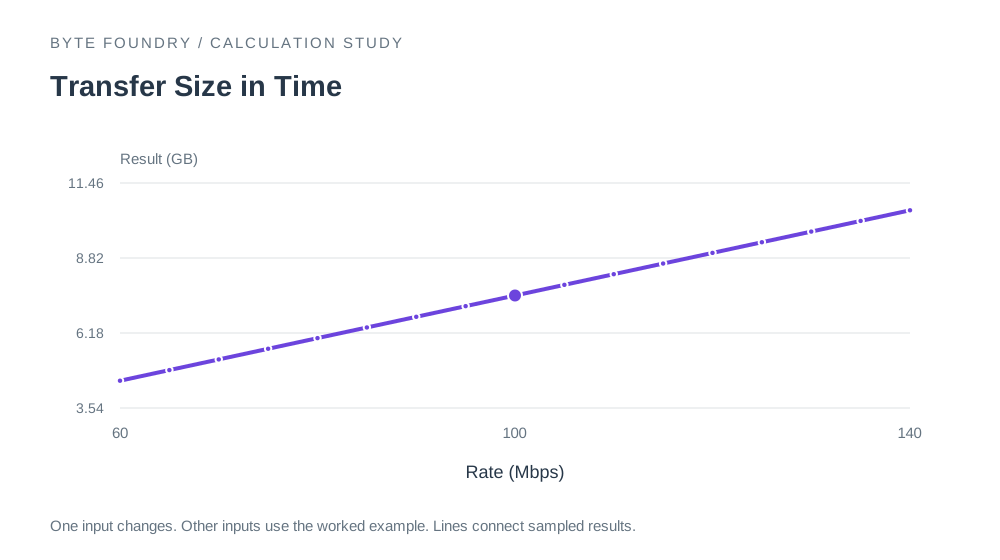
An average data rate accumulated over time gives a transfer volume.
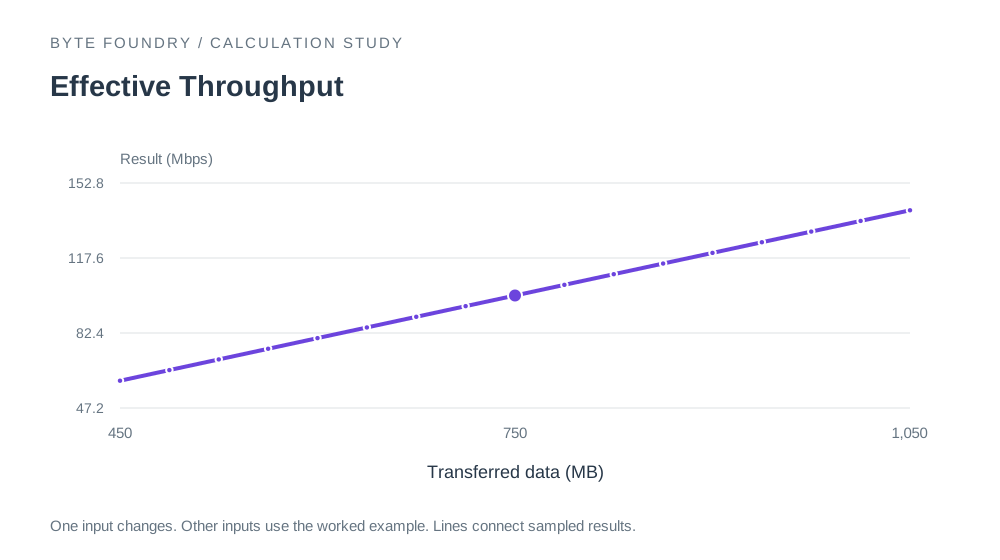
Observed throughput compares completed payload bytes with wall-clock duration.
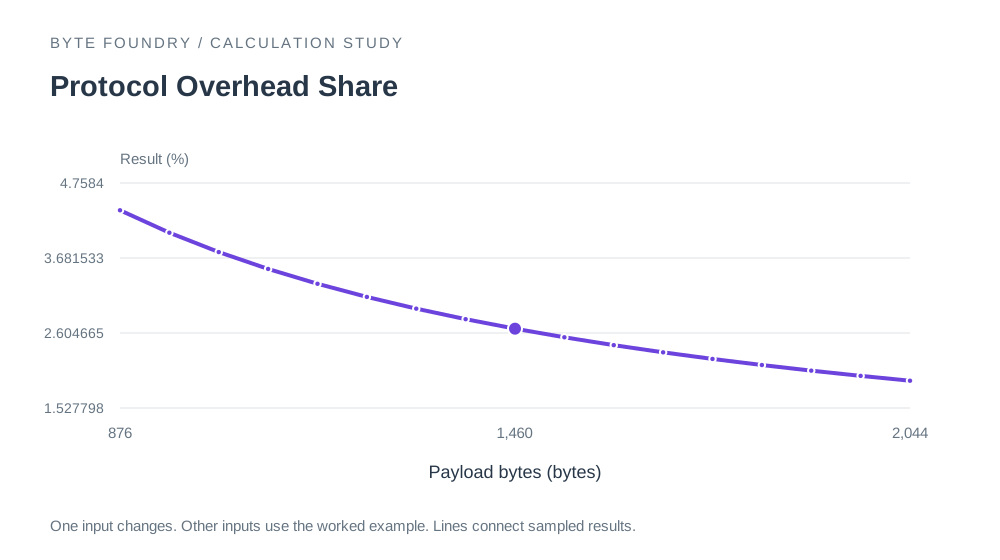
Protocol overhead occupies part of the transmitted byte budget.
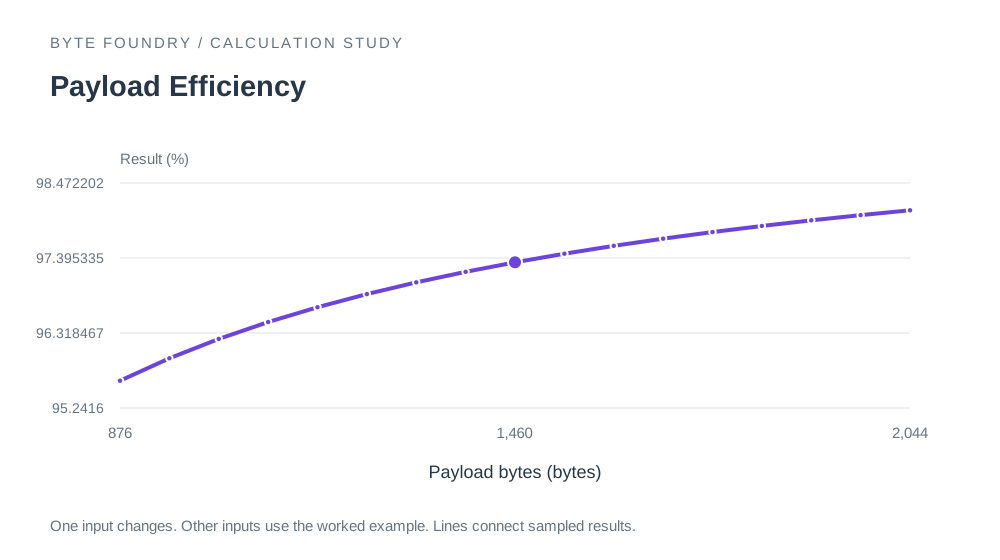
Payload efficiency reports the useful-data share of a packet or frame budget.
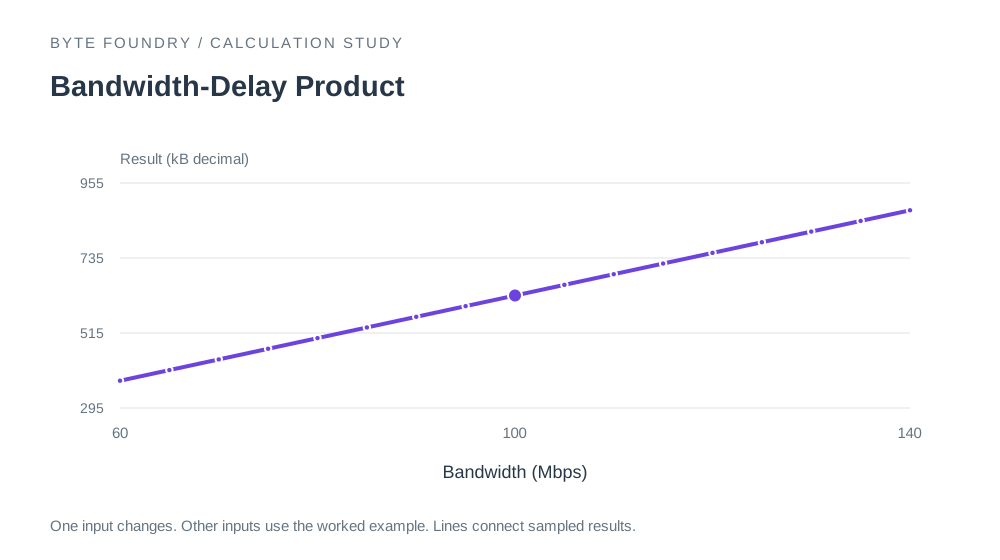
The bandwidth-delay product estimates data in flight needed to fill a path over a round trip.
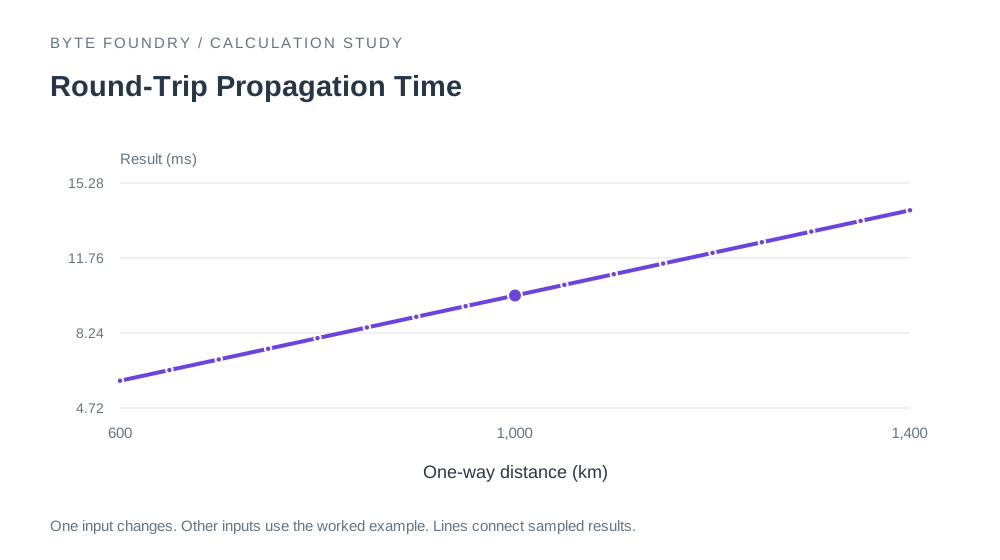
A distance-based model gives a propagation-only round-trip lower bound.
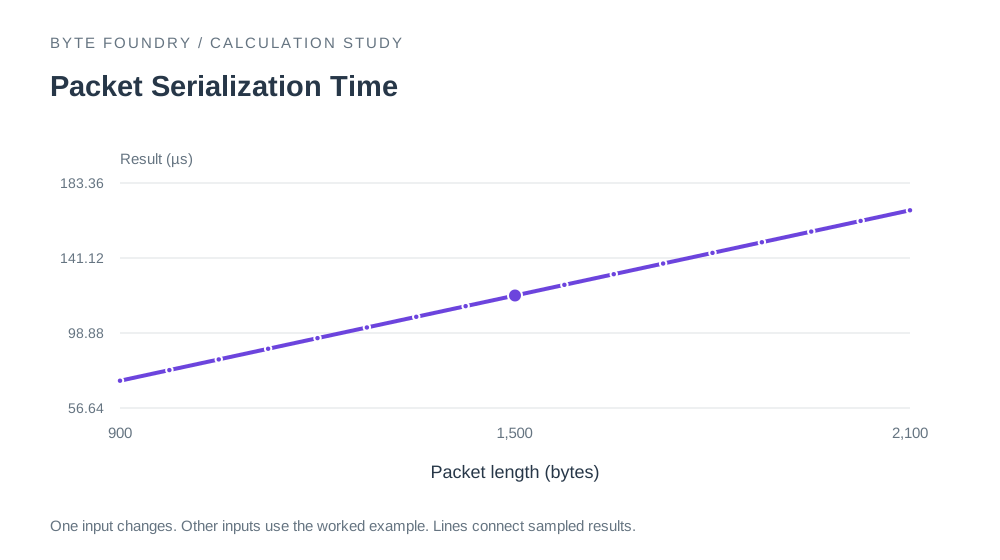
Serialization time is how long a link needs to put a packet's bits onto the medium.
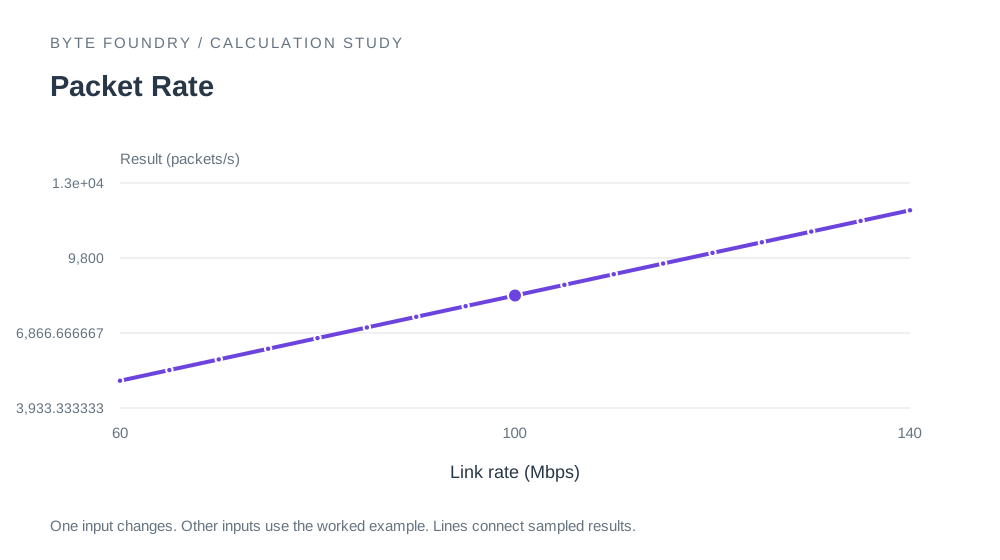
Dividing a bit-rate budget by packet size estimates a maximum packet frequency.
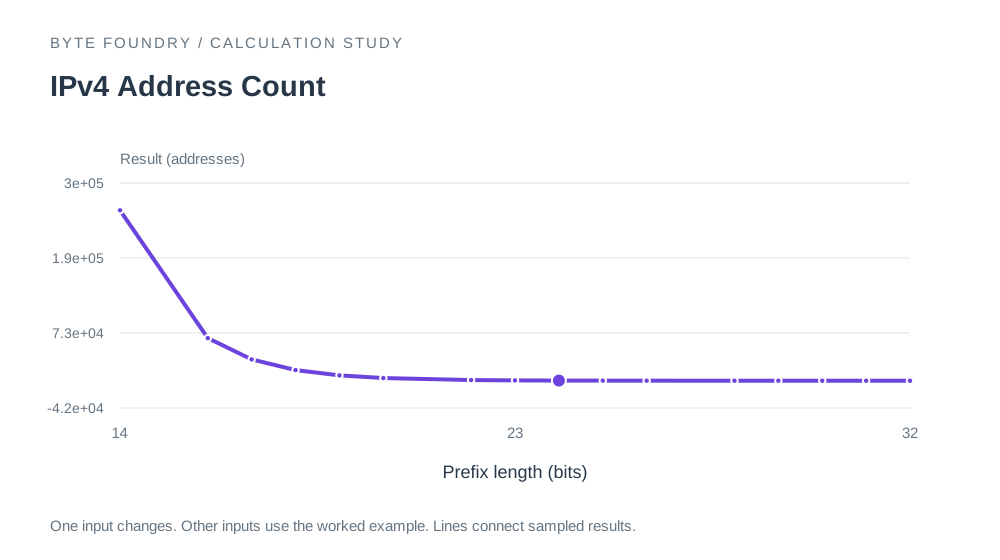
An IPv4 prefix leaves a fixed number of variable address bits.
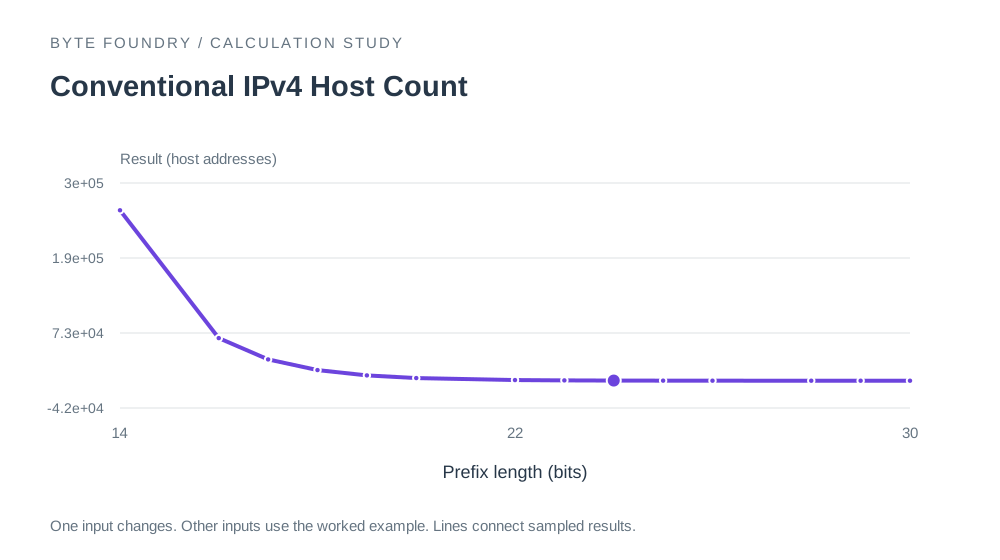
Traditional subnet arithmetic reserves all-zero and all-one host values in prefixes up to slash thirty.
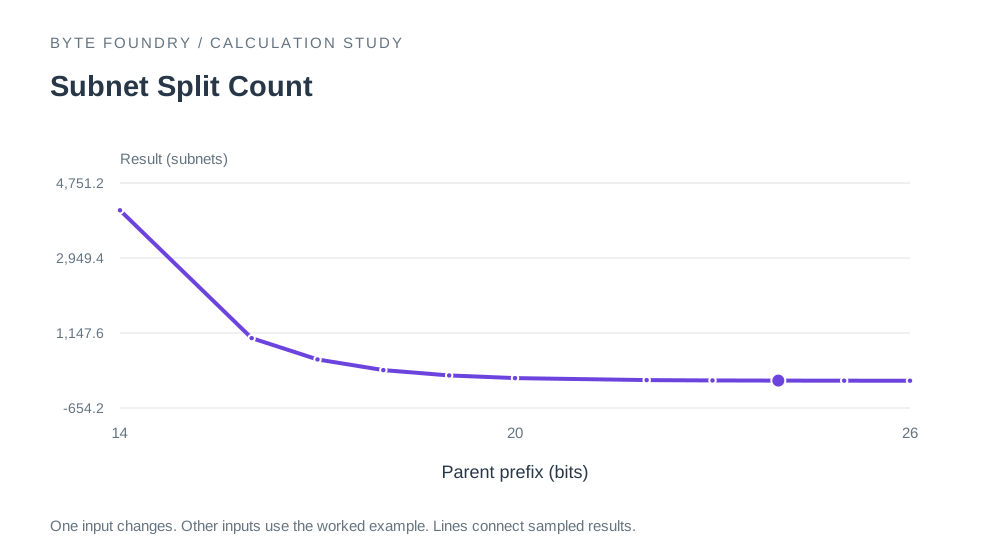
Borrowing extra prefix bits splits an aligned parent block into equal smaller blocks.
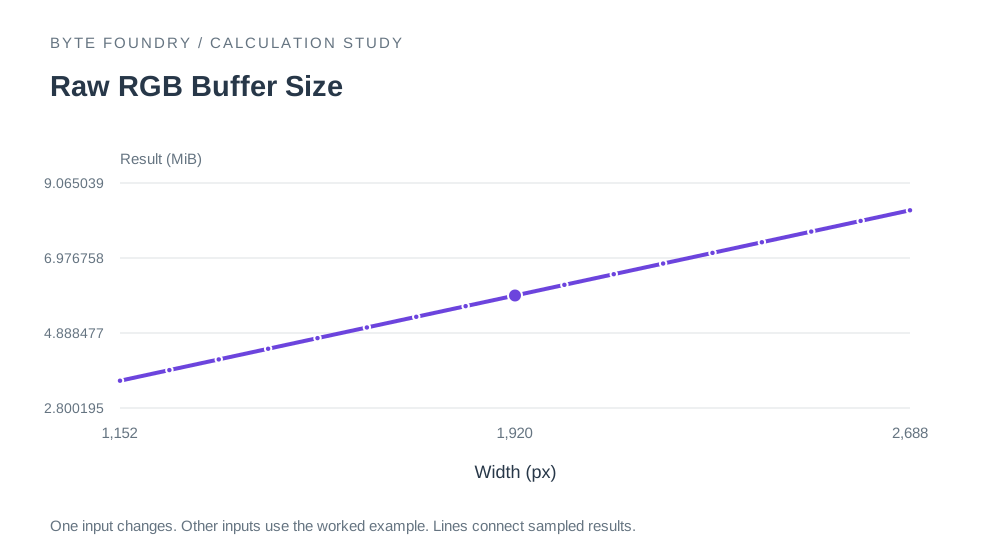
A packed image buffer consumes storage for every channel of every pixel.
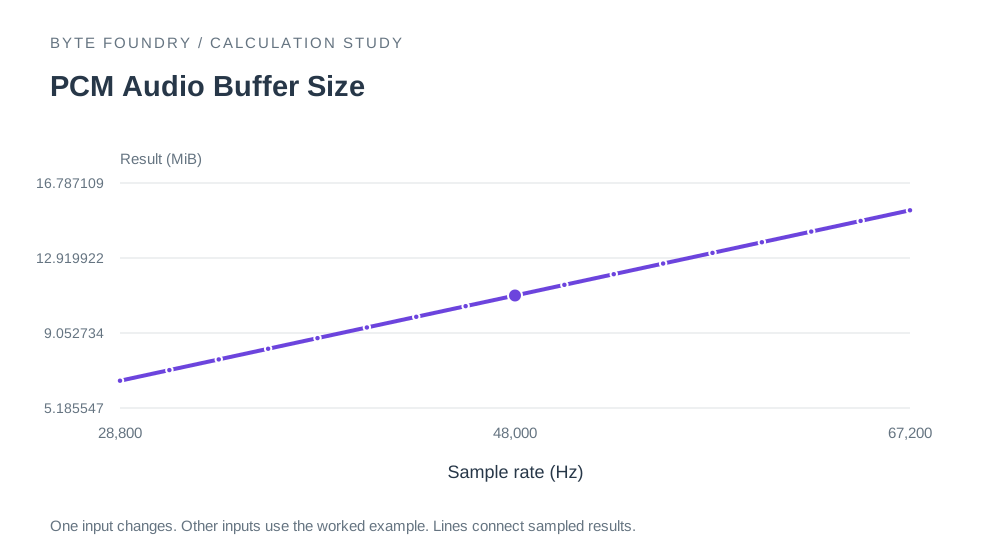
Uncompressed audio memory grows linearly with time, channels and sample resolution.
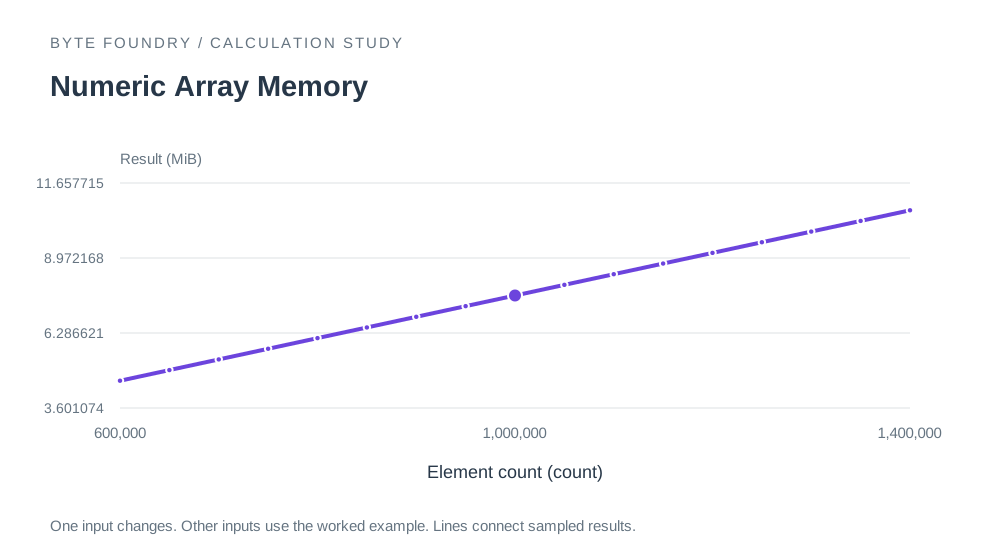
A packed numeric array has a predictable payload size based on element width.
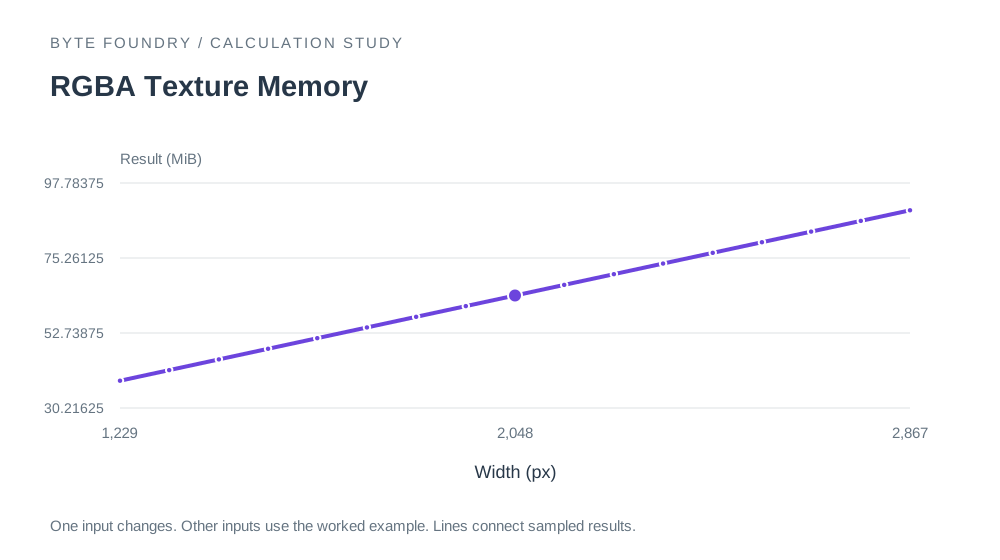
Eight-bit RGBA textures use four bytes per pixel before GPU-specific storage changes.
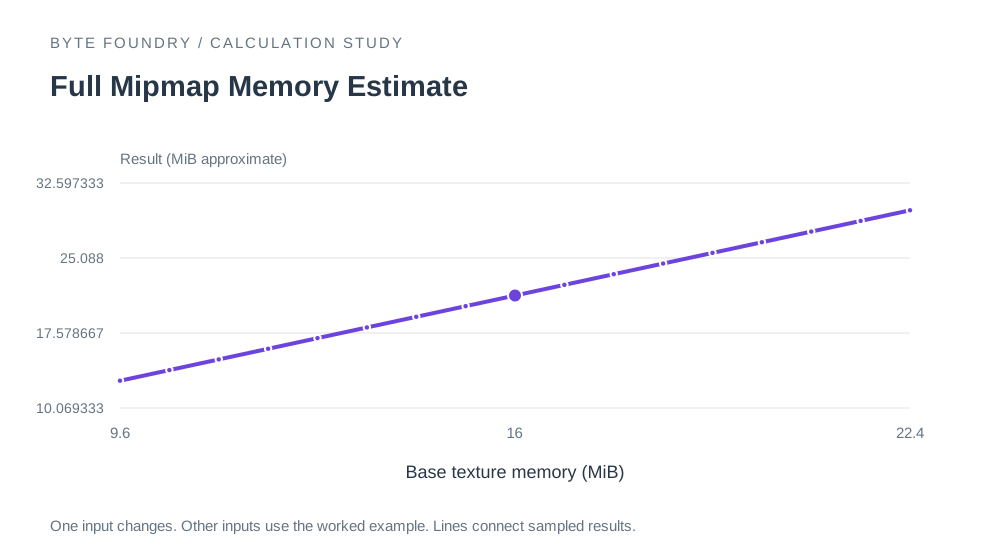
A long two-dimensional mip chain adds a geometric series of quarter-sized levels.
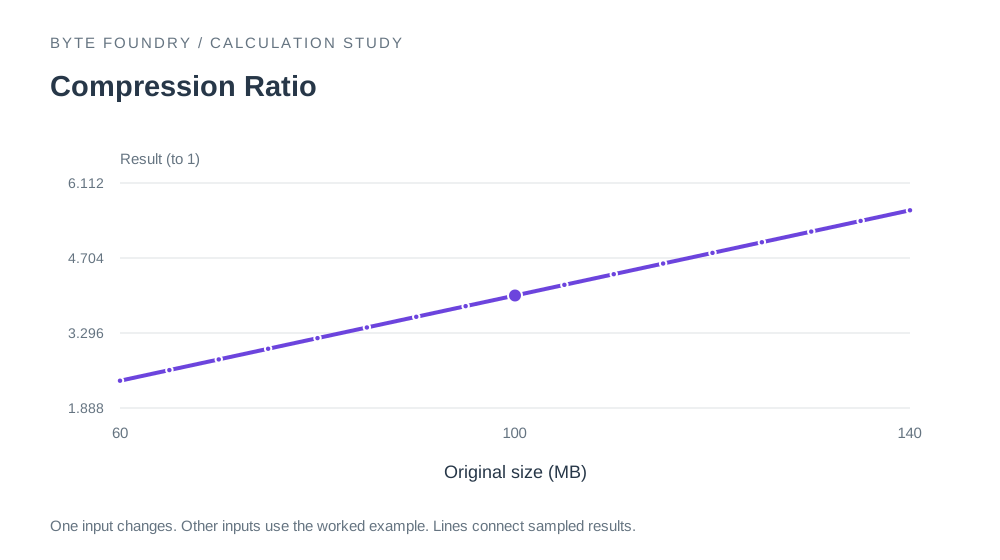
Compression ratio compares original size with the encoded size.
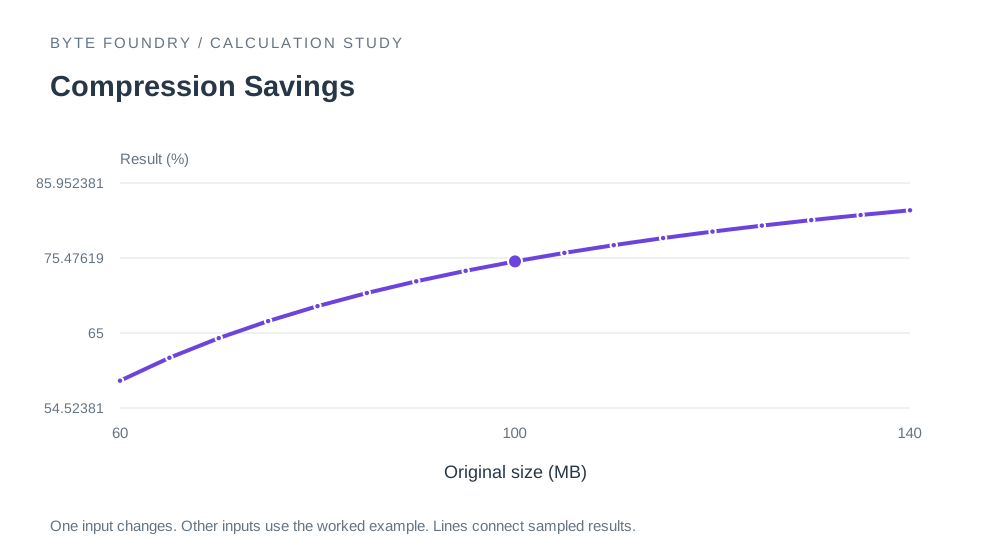
Savings expresses how much of the original byte count was removed.
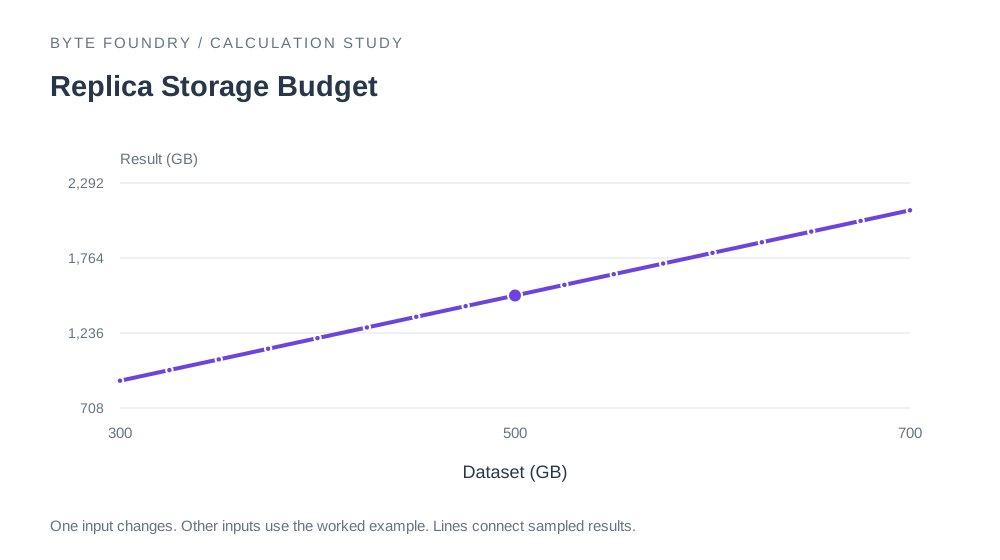
Full replicas multiply the stored dataset size by the number of complete copies.
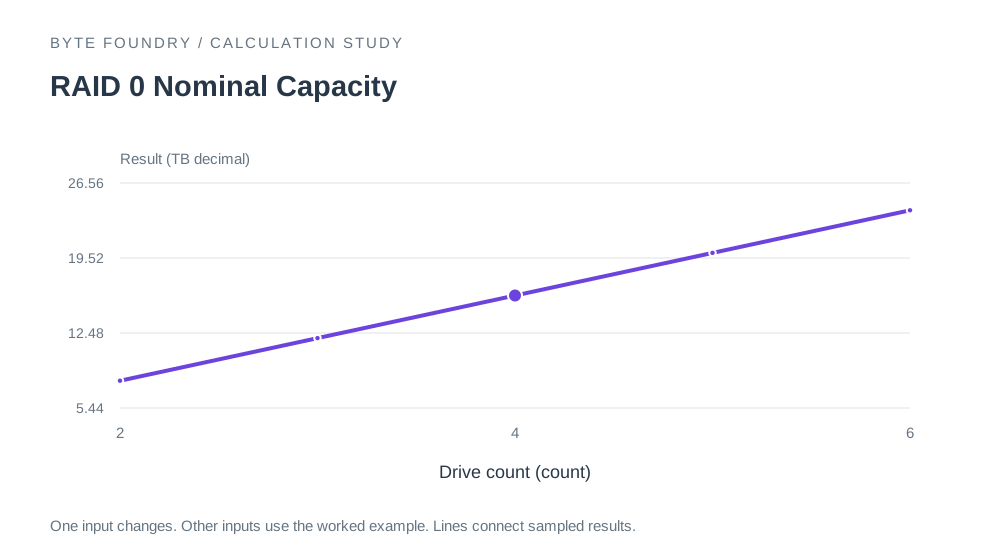
Striping equally sized usable regions combines nominal drive capacity.
No matching articles. Try a shorter search or choose all categories.